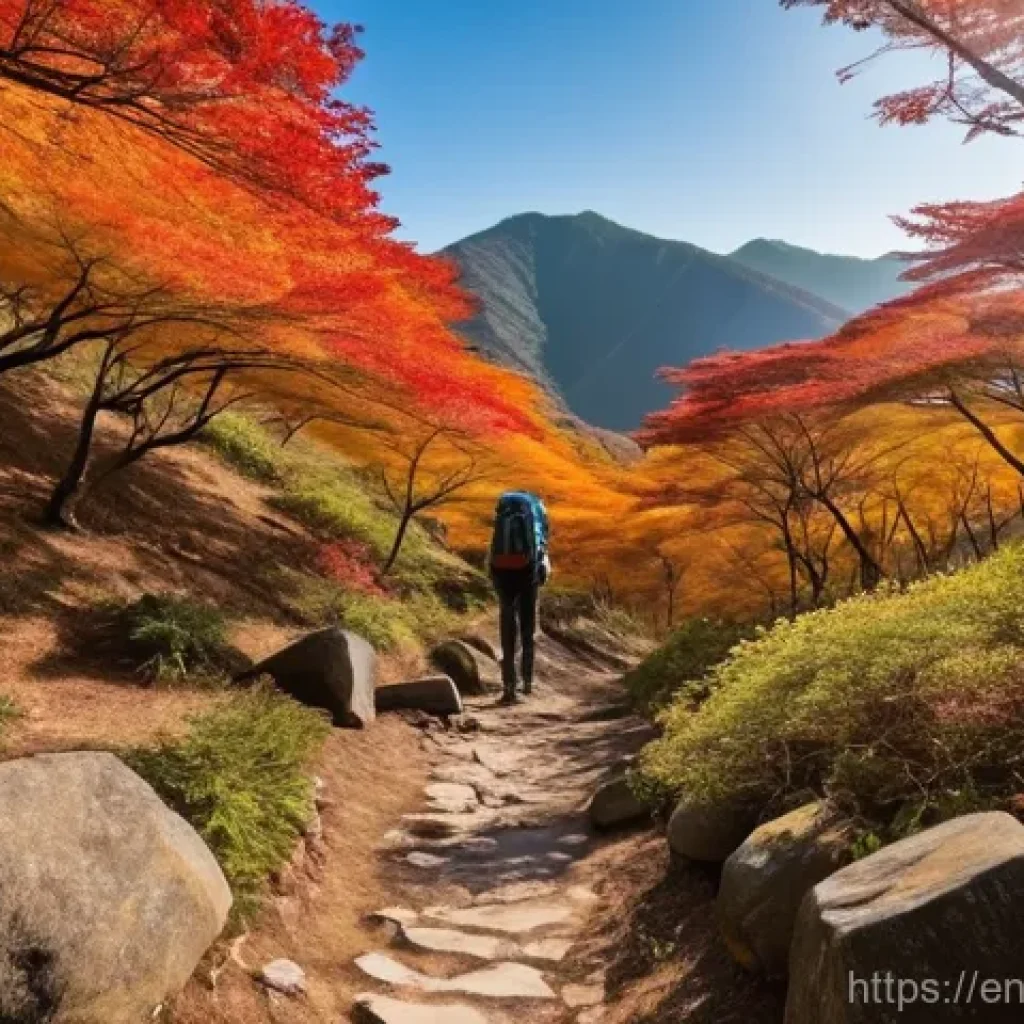
Hey there, fellow adventurers and nature lovers! If you’re anything like me, you’re always on the hunt for that perfect escape from the daily grind, a place where the air feels cleaner and your worries just melt away.
Well, I recently had one of those truly soul-refreshing experiences, venturing deep into the heart of Daegu, South Korea, to conquer the majestic Palgongsan Mountain.
It’s not just a hike; it’s a journey into vibrant culture, breathtaking landscapes, and a seriously needed digital detox. From my own experience, lacing up my boots and hitting those trails was exactly what I needed.
I mean, who knew outdoor gear could be so stylish these days, right? It seems like everyone, especially the younger crowd, is embracing that “gorpcore” vibe, blending fashion with the raw beauty of the mountains.
And honestly, it makes perfect sense! There’s something undeniably invigorating about immersing yourself in nature – the science even backs it up, showing how much a good trek can reduce stress and genuinely boost your mood.
Palgongsan, being one of Korea’s ‘100 Must-Visit Tourist Spots’ for 2025, truly delivered on all fronts. Imagine winding paths leading to ancient temples like Donghwasa, scaling ridges with ropes to stunning panoramic views, and finally reaching the iconic Gatbawi Buddha, where legends say wishes come true.
It’s an unforgettable blend of physical challenge and spiritual serenity. This isn’t just about reaching a summit; it’s about finding clarity, rediscovering your inner peace, and making memories that stick with you long after the mountain mist fades.
Ready to find out exactly how to plan your own incredible Palgongsan adventure, from the best trails to those hidden gems only locals (and now, you!) know about?
Let’s dive right in and uncover all the secrets!
Getting Started: Your Palgongsan Pre-Hike Checklist
Embarking on a mountain adventure is always exhilarating, but trust me, a little preparation goes a long, long way in making it truly unforgettable. Before you even think about hitting those stunning trails on Palgongsan, let’s talk about the absolute essentials.
I learned this the hard way on a particularly chilly morning hike – thinking I could brave the elements with just a light jacket was a rookie mistake I won’t soon repeat!
Proper planning isn’t just about comfort; it’s about safety and genuinely enjoying every single moment without unnecessary worries. It’s that feeling of confidence you get when you know you’re fully equipped for whatever the mountain throws at you, whether it’s an unexpected sprinkle or a sudden craving for a snack.
Trust me, I’ve seen too many people turn back early because they didn’t have the right gear, and Palgongsan is far too magnificent to miss out on!
Packing Essentials for a Seamless Summit
First things first, let’s talk gear. You don’t need to go full-on expedition mode, but a good pair of hiking boots, broken in, is non-negotiable. My feet still thank me for investing in a pair that actually fits and provides ankle support, especially on those steeper, rockier sections near Gatbawi.
Beyond footwear, layers are your best friend. Daegu’s weather can be a bit unpredictable, so think moisture-wicking base layers, a fleece or light jacket, and a waterproof outer shell.
And don’t forget a small backpack for essentials! I always toss in a reusable water bottle (stay hydrated, folks!), some energy-boosting snacks (kimbap is my personal favorite for a quick trail bite), sun protection (hat, sunglasses, sunscreen), and a basic first-aid kit.
A portable power bank for your phone is also a lifesaver, especially when you’re snapping a million photos or using a navigation app. I personally found that having my phone charged meant I could capture all those breathtaking panoramas without fretting about a dead battery, which seriously elevates the whole experience.
Navigating Daegu: Getting to the Mountain’s Foothills
Getting to Palgongsan is thankfully quite straightforward, which is always a relief when you’re itching to start your adventure. If you’re coming from central Daegu, the most convenient way to reach the main trailheads (like the one for Donghwasa Temple or Gatbawi) is usually by bus.
There are several local buses that will take you directly to the mountain’s entrance, and honestly, the ride itself offers some lovely views as you leave the city bustle behind and head towards greener pastures.
I usually just hop on bus number 105 or 급행 1 (Express 1) from downtown, and it drops me right where I need to be. Public transport in Korea is incredibly efficient and super easy to navigate, even if your Korean isn’t perfect.
Taxis or ride-sharing apps are also an option if you prefer more direct service, especially if you’re with a group and can split the fare. Don’t forget to have T-Money card ready for bus rides; it makes everything so much smoother.
It’s a small detail, but I’ve learned that having my transport sorted beforehand completely eliminates any pre-hike stress, letting me focus entirely on the excitement of the journey ahead.
Unveiling Palgongsan’s Diverse Trails: A Path for Every Hiker
Palgongsan isn’t just one mountain; it’s a sprawling natural playground with a fantastic network of trails, each offering a unique flavor of adventure.
This is where I truly believe the mountain shines, catering to everyone from those looking for a gentle stroll with cultural stops to seasoned hikers craving a serious workout.
What I personally loved was the sheer variety; one day I was leisurely exploring ancient temple grounds, and the next I was navigating more challenging ascents, feeling that satisfying burn in my legs.
It truly felt like the mountain was inviting me to discover something new with each visit. It’s not often you find a single destination that manages to blend such diverse experiences so seamlessly.
This diversity really makes it a must-visit, ensuring that no matter your fitness level or your mood on any given day, there’s a perfect path waiting for you to discover and conquer.
The Serene Ascent to Donghwasa Temple: Culture Meets Nature
For those who appreciate a harmonious blend of natural beauty and profound history, the trails leading up to Donghwasa Temple are absolutely perfect. It’s a much gentler incline compared to some of the other routes, making it ideal for families or anyone looking for a more relaxed pace.
The path winds through lush forests, offering plenty of shade and the soothing sounds of nature. I remember walking along, feeling the cool breeze, and just letting my mind wander, completely forgetting about emails and deadlines.
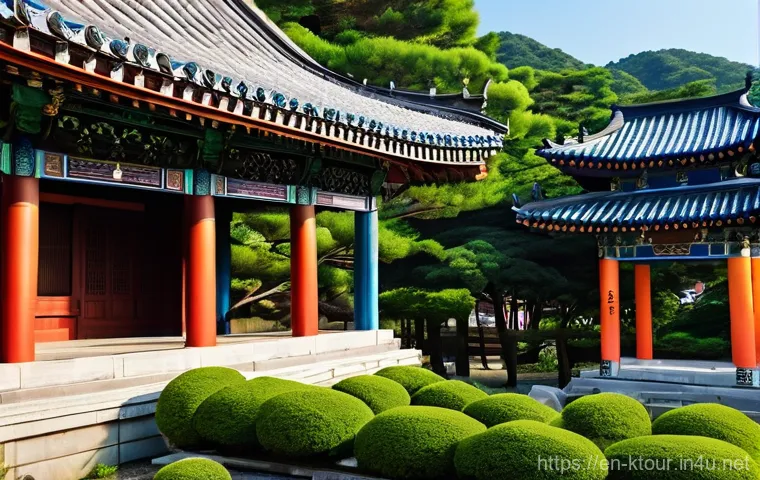
The highlight, of course, is reaching Donghwasa itself, a magnificent temple that dates back to the 5th century. Its intricate architecture and serene atmosphere are incredibly captivating.
Take your time to explore the temple grounds, admire the stunning stone pagodas, and perhaps even witness a traditional Buddhist ceremony. It’s an experience that nourishes both the body and the soul, and I always feel a profound sense of peace every time I visit.
Challenging Ridges and Rewarding Views: The Gatbawi Trek
Now, if you’re like me and love a good challenge that ends with an incredibly rewarding vista, the trek to Gatbawi Buddha is where it’s at. This isn’t a walk in the park; it involves some steep climbs, rocky sections, and even a few ropes to help you ascend.
But oh my goodness, the payoff is absolutely spectacular! I distinctly remember my first time, huffing and puffing, but every step was worth it when I finally reached the summit and saw the iconic Gatbawi Buddha.
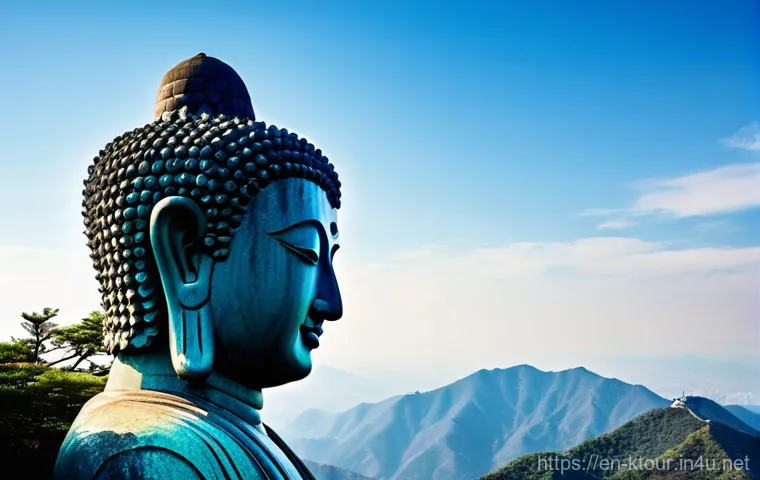
This incredible stone Buddha, known for its flat stone hat, sits perched high on the mountain, gazing out over the landscape. Legend has it that if you make a wish here, it will come true – and who wouldn’t want to try that?
The panoramic views of the surrounding mountains and valleys from this vantage point are truly breathtaking, especially on a clear day. It’s a strenuous hike, but the sense of accomplishment combined with the spiritual significance and stunning scenery makes it an unforgettable journey.
Prepare your quads, but know that every ounce of effort will be repaid tenfold.
Finding Your Rhythm: Tips for a Great Hike
Regardless of which trail you choose, finding your personal hiking rhythm is key. Don’t feel pressured to keep up with others; this is *your* adventure.
I always start at a moderate pace, allowing my body to warm up, and then gradually adjust as I get a feel for the terrain and my energy levels. Listening to your body is crucial – take breaks when you need them, hydrate regularly, and don’t hesitate to enjoy the silence or snap a few photos.
On my last visit, I noticed a group of young hikers playing some gentle music on a portable speaker, creating a really nice ambiance without disturbing others, which was a sweet touch.
It’s all about making the experience uniquely yours while respecting nature and fellow hikers. Remember, the journey itself is as important as the destination, so soak it all in, breathe deeply, and let the mountain work its magic.
Beyond the Summit: Immersive Cultural Delights
One of the things that truly sets Palgongsan apart from just any hiking destination is the incredible cultural tapestry woven into its natural beauty.
It’s not just about reaching a peak; it’s about stepping into centuries of history and spirituality. I absolutely adore how a challenging trek can lead you directly to ancient sites where traditions are still alive and well.
It feels like time travel, moving from the raw, untamed wilderness to the peaceful serenity of a sacred space. This unique combination offers a deeper, more enriching experience than purely scenic hikes.
It’s a chance to understand a bit more about Korean heritage while surrounded by nature’s grandeur. You get to stretch your legs and your mind, which, for me, is the perfect combination for any getaway.
Donghwasa Temple: A Glimpse into Ancient Korean Buddhism
After a refreshing hike, whether short or long, stepping into the grounds of Donghwasa Temple is like entering another world. This isn’t just a building; it’s a living, breathing testament to Korean Buddhist history, established way back in the 5th century.
The intricate detail of the main hall, Daeungjeon, with its vibrant colors and delicate carvings, is absolutely mesmerizing. I could spend hours just admiring the craftsmanship.
Beyond the main structures, there’s a peaceful meditation hall, charming pagodas, and the massive Tongil-daebul, a towering Buddha statue symbolizing the desire for Korean reunification.
Exploring these serene pathways, hearing the faint chanting of monks, and smelling the incense creates an atmosphere of profound tranquility. It’s a powerful reminder of how deeply spirituality is integrated into Korean life and landscapes.
I always make sure to take my time here, allowing the peaceful energy to wash over me before heading back down the mountain.
The Enduring Legend of Gatbawi Buddha: Making a Wish
The journey to Gatbawi Buddha isn’t just a physical climb; it’s often seen as a pilgrimage. This isn’t just any old statue; it’s a figure steeped in legend and deeply revered by Koreans.
People from all walks of life make the arduous trek, often with specific wishes or prayers in their hearts. It’s said that if you make a wish to the Gatbawi Buddha, which is formally known as Gwanbong Seokjo Yeorae Ipcheonsang (Standing Stone Buddha in Gwanbong), with a sincere heart, it will be granted.
I’ve personally witnessed people offering heartfelt prayers, some with eyes closed in deep concentration, others with offerings laid at the base of the statue.
There’s a tangible sense of hope and devotion in the air up there. It’s a unique cultural experience that transcends language, connecting you to generations of Koreans who have sought solace and blessings on this very spot.
Whether you believe in the legend or not, the sheer presence of this ancient, weathered Buddha, overlooking the vast landscape, is incredibly moving.
Fueling Your Adventure: Daegu’s Local Flavors
Let’s be real, a fantastic hike works up an equally fantastic appetite! And thankfully, Palgongsan and its surrounding areas in Daegu do not disappoint on the culinary front.
After a long day of trekking, there’s nothing quite like indulging in some hearty, authentic Korean cuisine. This is where the experience truly becomes holistic – you’ve pushed your body, refreshed your mind, and now it’s time to reward your taste buds.
I’ve found that some of the best eats are tucked away in small, unassuming restaurants right at the mountain’s base, often run by local families who pour their heart and soul into every dish.
It’s not just about filling your stomach; it’s about savoring the local culture through its food, creating another layer of unforgettable memories from your trip.
Trust me, you’ll want to try everything!
Post-Hike Feasts: Savoring Local Delicacies
When those hunger pangs hit after conquering Palgongsan, you absolutely *must* dive into the local food scene. One of my all-time favorites is *bibimbap*, especially a hearty stone pot version (*dolsot bibimbap*) which keeps the rice crispy and warm.
There are fantastic restaurants right around Donghwasa Temple that specialize in mountain-vegetable-based dishes, using fresh, seasonal ingredients. Another must-try is *dongchimi-guksu*, a refreshing cold noodle soup often served with kimchi, which is surprisingly invigorating after a hot hike.
If you’re feeling a bit more adventurous, look for restaurants offering *dakgalbi* (spicy stir-fried chicken) or *jjimdak* (braised chicken), which are incredibly flavorful and perfect for sharing with your hiking buddies.
And of course, no meal is complete without a side of delicious *kimchi*! I remember one time, after a particularly grueling climb, I stumbled into a tiny eatery and had the most incredible *haejangguk* (hangover stew, but also just a great restorative soup), which literally felt like it brought me back to life.
Quirky Cafes and Relaxing Retreats Around the Mountain
Beyond the savory delights, the area around Palgongsan is dotted with charming cafes and traditional tea houses, perfect for winding down. After a meal, I love finding a cozy spot to relax, sip on a warm beverage, and just soak in the atmosphere.
You’ll find everything from modern, aesthetically pleasing coffee shops serving up artisanal lattes to rustic tea houses offering traditional Korean teas like *sujeonggwa* (cinnamon punch) or *sikhye* (sweet rice punch).
Many of these places offer stunning views of the mountain or have beautiful gardens, providing the perfect backdrop for reflection or planning your next Daegu adventure.
I discovered a fantastic little café near Donghwasa that had an outdoor seating area surrounded by bamboo – it was pure bliss to sit there, enjoy a cappuccino, and recount the day’s adventures with my friends.
It’s these little moments of relaxation and indulgence that truly complete the Palgongsan experience.
Capturing the Magic: Photography Tips and Scenic Spots
You know that feeling when you’re standing in front of something truly magnificent, and your phone just doesn’t do it justice? Yeah, I’ve been there countless times on Palgongsan.
But with a few tricks up your sleeve, you can absolutely capture the breathtaking beauty of this place and make your friends seriously jealous. I’ve spent hours experimenting with different angles and lighting, and I’ve picked up some great tips along the way that I’m excited to share.
This mountain offers so many incredible backdrops, from ancient temple architecture to expansive, rugged vistas, that every turn presents a new photo opportunity.
It’s all about being prepared and knowing where to look to get that perfect shot that truly encapsulates the magic you’re experiencing.
Best Photo Ops on the Trail
Palgongsan is a photographer’s dream! For stunning panoramic views, the summit near Gatbawi Buddha is unbeatable, especially during sunrise or sunset when the light paints the sky in incredible hues.
I mean, the sheer scale of the landscape from up there is just mind-blowing. Don’t forget to capture the Gatbawi Buddha itself – try to get a shot that emphasizes its serene expression against the vast sky.
Around Donghwasa Temple, focus on the intricate details of the traditional architecture, the vibrant colors against the natural greenery, and the peaceful scenes of monks going about their day.
The stone pagodas and the giant Tongil-daebul offer fantastic compositional elements. Along the trails, look for interesting rock formations, ancient trees, and streams.
And here’s a personal tip: always look for leading lines, like a winding path or a ridge, to draw the viewer’s eye into your landscape shots. Oh, and don’t be afraid to get a little creative with your selfies – the mountain views make for the best backdrops!
Drone Laws and Responsible Photography
While the idea of getting an aerial shot of Palgongsan might sound amazing, it’s really important to be aware of local regulations, especially concerning drones.
In South Korea, there are strict rules about where and when you can fly drones, particularly near cultural heritage sites like temples, and in many natural park areas.
Generally, you need permits, and flying without one can lead to hefty fines. It’s always best to err on the side of caution and check with local authorities or park information centers before even thinking about bringing a drone.
On another note, responsible photography also means respecting nature and other hikers. Stay on marked trails, don’t disturb wildlife, and be mindful of people’s privacy when taking photos.
The goal is to capture the beauty without leaving a trace or disrupting anyone else’s experience. I personally prefer to stick to my trusty camera and smartphone, capturing all the beauty with my own two feet firmly on the ground!
Maximizing Your Visit: Practical Tips for a Memorable Trip
Okay, so you’re stoked about Palgongsan, you’ve got your gear sorted, and you’re ready to explore. But before you dash out the door, let’s cover a few more practical nuggets of wisdom that I’ve picked up along the way.
These aren’t just minor details; they can genuinely elevate your entire experience, making it smoother, safer, and even more enjoyable. From picking the perfect time to visit to making sure you’re taking care of yourself on the trails, these tips are like your secret cheat sheet for an epic Palgongsan adventure.
Trust me, I’ve learned that a little bit of foresight goes a long way in turning a good trip into an absolutely fantastic one!
When to Visit: Seasons and Crowds
Choosing the right time to visit Palgongsan can significantly impact your experience. Spring (April to May) is absolutely gorgeous, with vibrant wildflowers blooming and comfortable temperatures for hiking.
However, it can also be quite busy, especially on weekends. Autumn (October to November) is arguably the most popular time, and for good reason – the fall foliage transforms the mountain into a breathtaking canvas of reds, oranges, and yellows.
The air is crisp, and the views are spectacular, but expect larger crowds. Summer (June to August) can be hot and humid, so if you go then, start your hikes early in the morning to beat the heat.
Winter (December to February) offers a completely different, serene beauty, with snow-covered landscapes, but trails can be icy and require specialized gear.
My personal favorite is late October; the colors are at their peak, and if you go on a weekday, you can still find moments of incredible tranquility.
Staying Safe and Sound on the Trails
Safety first, always! Even on well-maintained trails, it’s crucial to be prepared. Always let someone know your hiking plans, including your route and estimated return time.
Stick to marked trails, especially if you’re not familiar with the area – getting lost is no fun. Wear appropriate clothing and footwear, and pack enough water and snacks.
I always carry a fully charged phone for emergencies, and a small headlamp or flashlight, just in case my hike runs longer than expected. While Palgongsan is generally very safe, accidents can happen.
If you encounter any wildlife, observe from a distance and never feed them. Most importantly, listen to your body; if you’re feeling unwell or overly fatigued, it’s always better to turn back and try again another day.
There’s no shame in prioritizing your well-being over reaching a specific point.
Budgeting Your Palgongsan Escape
A trip to Palgongsan can be surprisingly budget-friendly, especially if you plan wisely. The biggest costs will likely be transportation to Daegu and your accommodation.
Once you’re in Daegu, public transportation to the mountain is very affordable. Entry to the mountain trails themselves is generally free, though there might be small fees for entering temple grounds or specific attractions within them.
Food can be as cheap or as expensive as you make it – packing some of your own snacks and water can save a good chunk of cash, while indulging in local restaurants is a fantastic, worthwhile splurge.
| Trail Name / Destination | Difficulty Level | Estimated Hiking Time | Key Highlights |
|---|---|---|---|
| Donghwasa Temple Path | Easy to Moderate | 1-2 hours (return) | Ancient temple architecture, serene forest walk, cultural immersion |
| Gatbawi Buddha Trail | Moderate to Difficult | 3-4 hours (return) | Panoramic views, spiritual experience, challenging ascent |
| Palgongsan Skyway (Cable Car Route) | Very Easy (Cable Car) | Varies (Short walk at top) | Scenic cable car ride, observatory, family-friendly |
| Mireuksa Temple Route | Moderate | 2-3 hours (return) | Less crowded, peaceful temple, forest scenery |
Accommodation options in Daegu range from budget guesthouses and hostels to mid-range hotels and more luxurious stays, so you can definitely find something that fits your wallet.
I personally love staying in a guesthouse in a lively neighborhood so I can easily explore Daegu’s night markets and local eateries after a day on the mountain.
Remember, experiences are priceless, but smart budgeting lets you have more of them!
Wrapping Things Up
And there you have it, fellow adventurers! Palgongsan truly is one of those places that captures your heart and leaves you yearning for more. From the exhilaration of the climb to the tranquility of ancient temples and the sheer joy of delicious post-hike meals, it’s an experience that nourishes your soul. I hope my little guide inspires you to pack your bags and discover its magic for yourself. Every visit reveals something new, a hidden path, a different view, or a taste that sticks with you long after you’ve left. So go on, embrace the call of the mountain, and create your own unforgettable Palgongsan story!
Useful Info You’ll Want to Know
1. Best Time to Visit: Aim for spring (April-May) for wildflowers or autumn (October-November) for breathtaking fall foliage. The weather is generally perfect for hiking during these seasons, though autumn can get quite popular, so consider a weekday visit for fewer crowds.
2. Getting Around Daegu: Public transportation in Daegu, especially the buses, is incredibly efficient and budget-friendly. Grab a T-Money card for seamless travel to Palgongsan’s main trailheads, like those serving Donghwasa Temple or Gatbawi.
3. Hydration and Snacks: Always carry more water than you think you’ll need, especially on warmer days or longer treks like the Gatbawi route. Pack energy-boosting snacks like kimbap, fruit, or trail mix to keep your energy levels up during your exploration.
4. Footwear is Key: Seriously, invest in a good pair of broken-in hiking boots with ankle support. Palgongsan’s trails can be rocky and steep in places, and happy feet make for a happy hiker! Trust me, your future self will thank you after those descents.
5. Respect Local Culture: When visiting temples or sacred sites like Gatbawi, remember to be mindful and respectful. Dress modestly, keep noise to a minimum, and observe local customs. It’s all part of immersing yourself in the rich Korean heritage.
Key Takeaways for Your Palgongsan Adventure
Palgongsan offers a perfect blend of natural beauty and profound cultural experiences, catering to all types of adventurers. Remember to plan your gear wisely, choosing layers and sturdy footwear for a comfortable and safe hike. Whether you seek serene temple paths or challenging ridge lines, there’s a trail waiting for you. Don’t forget to savor the delicious local cuisine and unwind in a charming café to complete your immersive journey. Most importantly, embrace the spirit of discovery, respect the stunning environment, and let Palgongsan work its unique magic on you!
Frequently Asked Questions (FAQ) 📖
Q: What makes Palgongsan Mountain such a unique and “must-visit” destination, especially for first-timers?
A: Oh, where do I even begin? From my own adventures, what truly sets Palgongsan apart is this incredible blend of stunning natural beauty, deep cultural roots, and a genuinely spiritual vibe that you just don’t find everywhere.
It’s not just another mountain; it’s an experience! When you’re there, you’ll discover ancient temples like the magnificent Donghwasa, nestled beautifully into the landscape, offering a serene escape.
And then there’s the iconic Gatbawi Buddha, perched atop the mountain, where people have been making wishes for centuries – it’s incredibly moving to witness.
The sheer panoramic views from the ridges are breathtaking, making you feel like you’re on top of the world. Trust me, it’s a journey into vibrant culture and landscapes that totally blew me away, earning its spot as one of Korea’s ‘100 Must-Visit Tourist Spots’ for 2025!
Q: I’m keen on the “gorpcore” vibe and getting active. What kind of hiking experience can I expect on Palgongsan, and what should I keep in mind regarding gear?
A: That’s awesome! If you’re into the gorpcore trend and love hitting the trails, Palgongsan is going to be right up your alley. Lacing up my boots and hitting those paths was exactly what I needed, and the blend of fashion with the raw beauty of the mountains felt just right.
You can expect a fantastic mix of winding paths through lush forests and some more exhilarating sections where you might even find yourself scaling ridges with ropes – it’s a fun challenge!
The trails offer something for various skill levels, but definitely be prepared for some upward treks. From my own experience, having the right (and stylish!) outdoor gear truly enhanced the whole adventure.
Think comfortable, sturdy hiking shoes, layers for changing weather, and maybe a small backpack for water and snacks. You’ll want to be ready to immerse yourself fully in nature, so come prepared to move and explore!
Q: The idea of a “digital detox” and finding inner peace really resonates with me. How well does Palgongsan deliver on that promise?
A: Honestly, stepping away from the endless notifications on Palgongsan was pure bliss for my soul. If you’re looking for a genuine digital detox and a place to truly find some inner peace, this mountain absolutely delivers.
The quiet majesty of the ancient temples, the gentle rustle of leaves as you hike, and those expansive, unobstructed views really help to clear your mind.
I personally felt my worries just melt away with every step. The science even backs it up, showing how much a good trek in nature can reduce stress and genuinely boost your mood.
Reaching the serene Gatbawi Buddha, surrounded by peaceful energy, felt like a profound moment of clarity. It’s not just a physical journey; it’s a mental and emotional reset button that leaves you feeling refreshed, grounded, and totally at peace.