Spring is in full bloom, and there’s no better time to uncover the hidden gems of Ulsan Daewangam Park. While many visitors stick to the popular spots, the real charm lies in the lesser-known trails and secret viewpoints that reveal breathtaking coastal scenery.

If you’re craving an authentic experience away from the crowds, join me as we explore serene paths, vibrant local culture, and stunning natural beauty.
From quiet cliffside walks to cultural nooks, this guide will show you Ulsan Daewangam Park like a true local. Let’s dive into an adventure that promises both tranquility and discovery.
Exploring Hidden Coastal Trails
Discovering Quiet Cliffside Paths
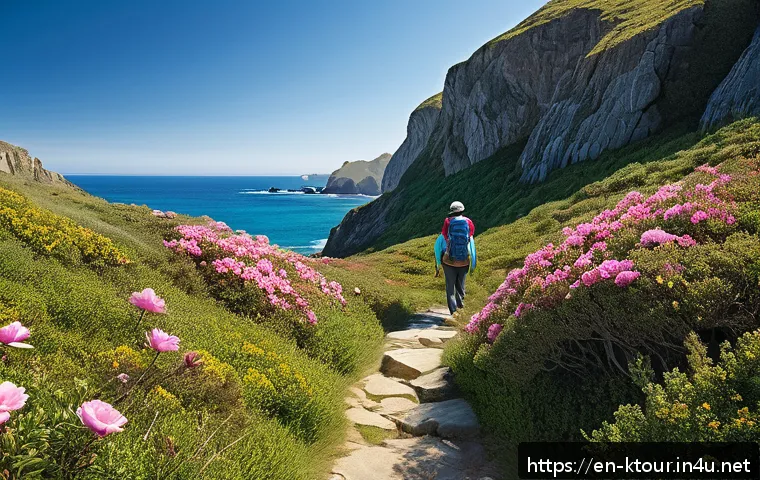
One of the best-kept secrets of Ulsan Daewangam Park is its quiet cliffside trails that most visitors overlook. These paths wind along the rugged coast, offering a peaceful escape from the busier main routes.
Walking here, you can hear the gentle crashing of waves below and feel the fresh sea breeze, which instantly refreshes the mind. The trail’s natural curves reveal a series of small coves and rocky outcrops where you can stop, sit, and soak in the untouched beauty.
What I loved most was how these paths felt like a private sanctuary, perfect for moments of reflection or simply losing yourself in nature’s rhythm.
Photographer’s Paradise: Secret Viewpoints
Scattered along these lesser-known trails are several hidden viewpoints that frame the coastline in stunning ways. Unlike the popular spots crowded with tourists, these vantage points give you uninterrupted views of the endless blue horizon and dramatic cliffs.
I found a small ledge one afternoon that was perfect for watching the sunset paint the sky with hues of orange and pink. If you’re into photography or just want that perfect Instagram shot, these secret spots are pure gold.
The best part? You often get to enjoy these views all to yourself.
Wildlife Encounters Along the Shore
While strolling through these secluded trails, keep an eye out for local wildlife. I was pleasantly surprised to spot several species of coastal birds, including some I hadn’t seen before.
The park’s diverse ecosystem means you might catch glimpses of crabs scuttling over rocks or small fish swimming near tidal pools. These encounters add a layer of wonder and remind you of the delicate balance between land and sea.
Taking a slow, mindful walk lets you appreciate the park’s vibrant life beyond just its scenery.
Immersing in Local Culture and Traditions
Small Artisan Shops and Cafés
Tucked away near the park’s entrance are charming little shops and cafés run by locals, offering handcrafted souvenirs and freshly brewed coffee. I stopped by a cozy café that served homemade pastries infused with traditional Korean flavors, creating a delightful fusion of tastes.
Chatting with the owners, I learned about their dedication to preserving local crafts and culinary heritage. These spots are wonderful for picking up unique gifts or simply relaxing with a warm drink after a long walk.
Seasonal Festivals and Events
Depending on when you visit, you might catch one of the local festivals that celebrate the area’s cultural roots. From flower festivals in spring to traditional music performances, these events provide a vibrant glimpse into the community’s spirit.
I once stumbled upon a small gathering featuring folk dancers and storytellers, which added a magical dimension to my trip. Joining these celebrations allows you to connect with the local way of life and experience something truly authentic.
Historic Landmarks Within the Park
Beyond natural beauty, Ulsan Daewangam Park is dotted with historic sites that tell stories of the region’s past. Ancient stone monuments and small shrines are scattered along the trails, each with plaques explaining their significance.
Exploring these landmarks offers a fascinating insight into the cultural and spiritual heritage that shaped the area. Walking among these relics, you get a sense of continuity, as if you’re tracing footsteps from centuries ago.
Best Times to Visit and What to Bring
Seasonal Highlights
Spring and autumn are the prime seasons to visit Ulsan Daewangam Park, with mild weather and vibrant colors that enhance the scenery. Spring brings blooming wildflowers along the trails, while autumn paints the trees in warm reds and golds.
Summer can be hot and humid, but early morning walks offer cooler temperatures and fewer visitors. Winter’s chill transforms the coast into a stark, dramatic landscape, perfect for those who enjoy solitude and stark natural beauty.
Essential Gear for the Trails
To fully enjoy the hidden paths and rocky viewpoints, sturdy walking shoes are a must. The terrain can be uneven, so good grip helps prevent slips. Bringing a light backpack with water, snacks, and sun protection is also wise, especially if you plan to spend several hours exploring.
A camera or smartphone with extra battery life is essential for capturing the breathtaking views. For photography enthusiasts, a tripod can be handy for sunset or low-light shots.
Local Amenities and Accessibility
While the park offers some basic facilities like restrooms and picnic areas, these are mostly near the main entrance. Once you venture deeper into the lesser-known trails, amenities become sparse, so plan accordingly.
Public transportation options are available but limited, so renting a car or using a taxi service might give you more flexibility. For visitors with mobility challenges, some paved sections near the park entrance are accessible, but many scenic trails require moderate hiking ability.
Flora and Fauna Unique to the Region
Coastal Plant Life
The coastal environment of Ulsan Daewangam Park supports a variety of plant species adapted to salty air and rocky soil. You’ll find clusters of hardy grasses, wildflowers, and small shrubs that add vibrant green and colorful touches to the rocky landscape.
During spring, delicate blossoms like azaleas and camellias come alive, offering bursts of color along the trails. Walking through these natural gardens, I felt a deep appreciation for how life thrives even in tough conditions.
Marine Life Observations
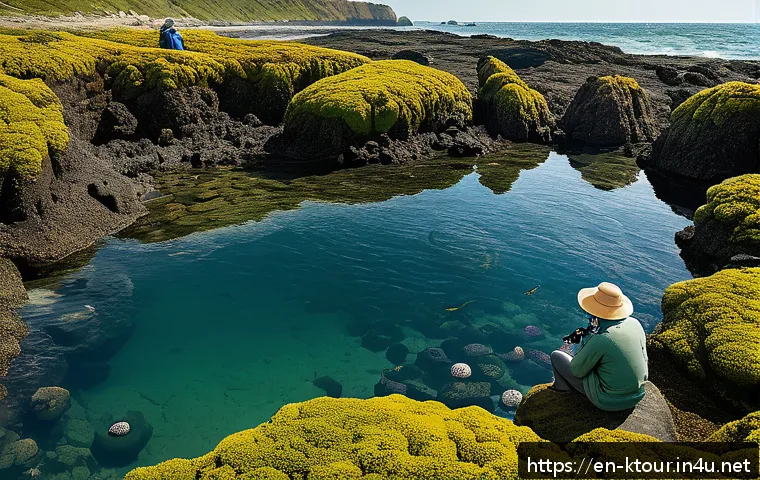
If you take a moment to peer into the tide pools along the shore, you can spot fascinating marine creatures such as sea anemones, starfish, and small crabs.
These micro-ecosystems are alive with activity, and observing them up close is a delightful experience. I often found myself crouching by the water’s edge, marveling at the intricate patterns and movements of these tiny sea dwellers.
It’s a gentle reminder of the rich biodiversity hidden in plain sight.
Birdwatching Opportunities
Ulsan Daewangam Park is a haven for birdwatchers, especially during migration seasons when various seabirds pass through. The cliffs provide perfect nesting sites, and the diverse habitats attract species ranging from gulls to herons.
Early morning visits are ideal for catching bird activity at its peak. Bringing binoculars enhances the experience, allowing you to spot birds that might otherwise go unnoticed.
This quiet pastime connects you with nature’s rhythms in a deeply satisfying way.
Planning Your Route for Maximum Enjoyment
Recommended Loop Trails
For a balanced experience, consider taking the park’s loop trails that combine coastal views, forest paths, and cultural sites. I found that starting at the main entrance and heading clockwise lets you gradually uncover the park’s layers, from bustling areas to secluded corners.
The loop takes about two to three hours at a relaxed pace, giving ample time for photo stops and short rests. This route avoids backtracking and keeps the flow natural, making your visit feel like a seamless journey.
Timing Your Walks for Crowds and Light
If you want to avoid crowds, early mornings or late afternoons are the best times to explore. The soft, angled sunlight during these hours also enhances the colors and textures of the landscape, making everything look more vibrant and dynamic.
Midday can be bright but often feels harsher, and popular spots tend to get busy. Personally, I enjoyed a late afternoon walk that ended with a quiet sunset from one of the secret viewpoints—an unforgettable way to close the day.
Combining Park Visits with Nearby Attractions
Ulsan Daewangam Park is conveniently located near several other points of interest, so you can easily plan a full day or weekend itinerary. Nearby beaches, seafood markets, and cultural museums provide diverse experiences that complement the park’s natural charm.
On one trip, I combined a morning hike with an afternoon seafood feast at a local harbor restaurant, which turned out to be a perfect blend of adventure and indulgence.
Mapping out your day helps you make the most of what the region has to offer.
Essential Information at a Glance
| Aspect | Details |
|---|---|
| Best Season to Visit | Spring (April-May), Autumn (September-November) |
| Trail Difficulty | Moderate – some uneven terrain and rocky paths |
| Accessibility | Partial – paved areas near entrance; main trails require hiking |
| Facilities | Restrooms, picnic areas near entrance; limited deeper in park |
| Nearby Amenities | Local cafés, artisan shops, seafood restaurants within 10 min drive |
| Wildlife Highlights | Seabirds, tide pool marine life, coastal flora |
| Transportation | Limited public transit; car rental or taxi recommended |
Tips for an Authentic Local Experience
Engage with Park Staff and Locals
Don’t hesitate to strike up a conversation with park staff or locals you meet along the way. Their stories and recommendations often open doors to hidden gems you won’t find in guidebooks.
On one visit, a friendly park ranger pointed me toward a secluded beach that became my favorite spot for a quiet picnic. These personal interactions add warmth and depth to your trip, making it more memorable.
Respect Nature and Cultural Sites
While exploring, it’s important to tread lightly and respect both the natural environment and cultural landmarks. Staying on marked trails helps preserve fragile ecosystems, and observing cultural sites with reverence honors the community’s heritage.
I found that following these simple guidelines not only protects the park but also enriches my own experience by fostering a sense of connection and responsibility.
Try Local Flavors Along the Way
Sampling regional food is an essential part of any visit. Near Ulsan Daewangam Park, fresh seafood is a highlight, with many eateries offering dishes made from daily catches.
I recommend trying grilled mackerel or spicy seafood stews for an authentic taste of the area. Pair your meal with a local rice wine or herbal tea to round out the experience.
These flavors offer a delicious way to immerse yourself in the local culture beyond just sightseeing.
Conclusion
Ulsan Daewangam Park offers a unique blend of serene coastal trails, rich cultural experiences, and vibrant wildlife encounters that make every visit memorable. Whether you’re seeking peaceful reflection or a lively local festival, this hidden gem provides a refreshing escape. Exploring its trails and engaging with the community allows for a deeper connection to both nature and tradition. It’s a place where every step reveals something new and inspiring.
Useful Information to Know
1. The best times to visit are spring and autumn when weather conditions are mild and scenery is most vibrant.
2. Wear sturdy shoes and bring essentials like water, snacks, and sun protection to fully enjoy the trails.
3. Early mornings and late afternoons offer the best light for photography and fewer crowds for a peaceful experience.
4. Local cafés and artisan shops near the park entrance provide great opportunities to experience authentic flavors and crafts.
5. Public transportation is limited, so consider renting a car or using taxis for more convenient access to the park and nearby attractions.
Key Takeaways
Ulsan Daewangam Park’s hidden trails reveal a quieter, more intimate side of coastal exploration, ideal for those seeking nature and solitude. Engaging with local culture through festivals and artisan shops enriches the visit beyond sightseeing. Planning your route and timing carefully enhances the overall experience, especially when aiming to avoid crowds and capture perfect views. Remember to respect the natural environment and cultural heritage to preserve the park’s beauty for future visitors.
Frequently Asked Questions (FAQ) 📖
Q: What are the best times to visit the lesser-known trails in Ulsan Daewangam Park to avoid crowds?
A: The best times to explore the hidden trails in Ulsan Daewangam Park are early mornings during weekdays, especially just after sunrise. At this time, the park is peaceful, and you can enjoy the coastal views without the usual tourist buzz.
Late afternoons on weekdays also offer a calm atmosphere, with softer lighting perfect for photography. Weekends tend to get busy around popular spots, so sticking to off-peak hours truly enhances the serene experience.
Q: Are there any local cultural spots or activities near Daewangam Park that visitors shouldn’t miss?
A: Absolutely! Just a short walk from the park, you’ll find small local markets and cozy cafes where you can savor fresh seafood and traditional Korean snacks.
Many locals gather at these spots, offering a genuine glimpse into the community’s lifestyle. If you’re lucky, you might catch impromptu performances or traditional craft displays.
Engaging with these cultural nooks adds a warm, authentic layer to your visit beyond the natural beauty.
Q: How challenging are the lesser-known trails compared to the main paths, and what should I prepare?
A: The lesser-known trails around Daewangam Park vary in difficulty but generally are moderate; they often include uneven terrain and some steep sections along the cliffs.
Wearing sturdy walking shoes with good grip is essential. Bringing water, a hat, and sunscreen is wise, especially in spring when the sun can be surprisingly strong.
I found that pacing myself and taking breaks to soak in the views made the hike not only manageable but truly rewarding.