Cheongju Sangdangsanseong offers a rewarding outdoor walk where historic fortress surroundings meet wooded trails and open views. It is best approached as a flexible trek: check current access information, weather, and posted route guidance before you leave.
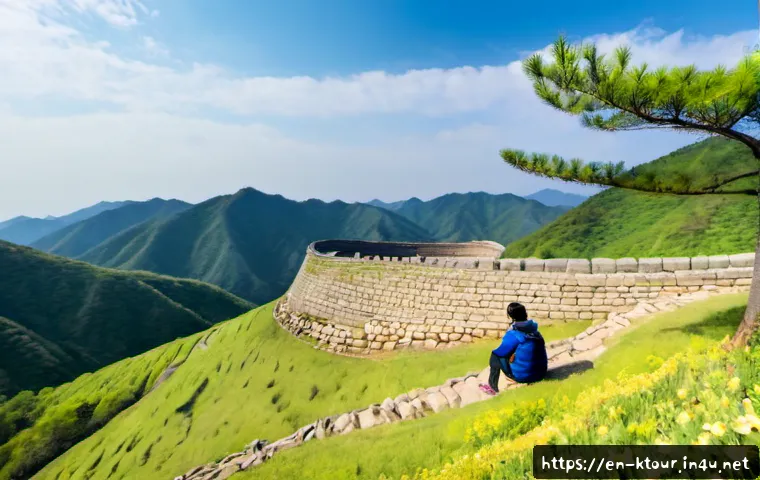
The experience can suit a relaxed walk or a more active outing, depending on the path you choose and the pace you keep. Conditions may change with the season, especially after rain or during periods of limited visibility.
A little preparation helps you enjoy the setting without rushing. Use this guide to plan a comfortable and respectful visit.
What to Expect at Sangdangsanseong
Sangdangsanseong is an outdoor historic site where a fortress setting and natural walking environment come together. Rather than treating it as a route to finish quickly, allow time to notice the changing scenery along the way. Forested sections, fortress-side views, and the quieter atmosphere of a hilltop site can make the walk feel different from an urban stroll.
The exact route length, walking time, elevation, and surface conditions should be confirmed through current local visitor information. A route that feels easy in dry, clear weather may require more care after rain, when the ground can be uneven or slippery.
Fortress scenery and walking atmosphere
The appeal of Sangdangsanseong is not only the destination but also the pace of moving through a historic outdoor landscape. Stop when appropriate to take in the surroundings, but remain mindful of other visitors and any areas where stopping is discouraged. Conditions and accessible sections can change, so rely on signs at the site rather than assuming every path is open.
Choosing a comfortable pace
There is no need to match another visitor’s speed. Choose a pace that suits your footwear, energy level, weather conditions, and available daylight. If you are walking with children, older companions, or first-time hikers, build in extra time for breaks and for carefully navigating uneven ground. Turning back or selecting a shorter marked section can be the sensible choice if conditions do not feel comfortable.
Planning Your Trek Before You Go
A smooth Sangdangsanseong visit starts before you arrive. Current opening hours, access restrictions, parking availability, parking fees, public transport schedules, and nearby stops should all be checked through up-to-date local information. Seasonal closures, construction, and trail-condition alerts may also affect the plan.
Checking weather and access updates
Weather influences trail comfort, visibility, and footing. Review the forecast close to your visit, then check again if the weather changes suddenly. Wet conditions can make natural surfaces less stable, while heat, wind, fog, or fading light can affect how enjoyable and manageable the walk feels. Posted notices and route signs at the site should take priority over an earlier plan.
What to pack for the walk
Carry water and wear suitable walking shoes with reliable grip. Weather-appropriate layers are useful because outdoor conditions can shift during a walk. A light outer layer may help in cool or breezy conditions, while a hat or sun protection can be useful on brighter days. Keep what you bring manageable; a simple, comfortable load is easier to carry on uneven paths.
| Before setting out | Why it matters |
|---|---|
| Confirm access and site notices | Hours, restrictions, closures, and route availability can change. |
| Check the weather | It affects comfort, visibility, and the condition of the ground. |
| Wear suitable shoes and layers | Marked paths may still include uneven or slippery sections. |
| Bring water | Outdoor walking is more comfortable when you can stay hydrated. |
Following the Route Safely
Once on site, follow posted route signs and site rules. Marked paths help visitors move through the area more safely and help protect the historic landscape. Avoid treating an unmarked shortcut as a better route, even if it appears to save time.
Reading signs and staying on marked paths
Take a moment at junctions to confirm your direction. Signs may indicate route guidance, restricted areas, or other instructions that are relevant to current conditions. If a section is closed or access is limited, choose an available marked alternative or adjust the visit. Do not cross barriers or enter areas that are not intended for visitors.
Managing uneven or slippery ground

Slow down on uneven ground, especially after rain or when leaves, loose material, or low visibility make the surface harder to read. Shorter steps and steady footing are usually more useful than trying to maintain a fast pace. Keep attention on the trail rather than only on the view, and give yourself enough daylight to return without rushing.
Making the Most of a Cheongju Day Trip
Sangdangsanseong can work well as part of a Cheongju day trip when the walking plan remains flexible. Avoid building the day around an assumed route duration, since exact walking time and current conditions need to be verified locally. Leave room for arrival, orientation, rest breaks, and any changes caused by weather or access notices.
Timing your visit around daylight
Start with enough daylight for the route you intend to follow and the pace you prefer. This is particularly important if weather reduces visibility or if your group may take frequent breaks. Before beginning, consider when you want to finish and whether the available access conditions support that plan. If daylight is becoming limited, a shorter marked walk may be a better option.
Responsible Visits to a Historic Outdoor Site
Respect for Sangdangsanseong means following site rules, staying on signed routes, and leaving the surroundings as you found them. Do not leave litter behind, and avoid disturbing natural areas or historic features. A careful visit helps preserve the setting for future walkers while also reducing unnecessary risk for everyone on the trail.
Closing Thoughts
Sangdangsanseong trekking is most enjoyable when it is planned around current conditions rather than a fixed schedule. Check local visitor updates, prepare for the weather, and choose a marked route that matches your comfort level. With water, dependable shoes, and a sensible pace, the fortress surroundings can be explored as a calm outdoor break in Cheongju. Stay flexible if signs or weather suggest a change of plan.
Useful Information to Know
1. Confirm current access conditions before departure. 2. Check weather close to the visit. 3. Bring water, suitable walking shoes, and layers. 4. Follow posted route signs and site rules. 5. Allow enough daylight for a safe return.
Key Points at a Glance
Exact distance, duration, elevation, surface conditions, transport details, parking information, and seasonal alerts require current local confirmation. Weather can change both comfort and safety, so stay on marked paths and adjust your route or pace when needed.
Frequently Asked Questions
Q1. How long does it take to walk around Sangdangsanseong?
A1. The exact walking duration should be confirmed through current local visitor information. It can vary with the route selected, trail conditions, weather, breaks, and your walking pace.
Q2. Is Sangdangsanseong suitable for beginners?
A2. It may be suitable for beginners who choose a comfortable marked route, wear appropriate shoes, and adjust their pace to conditions. Check current access and trail information first, as uneven or slippery ground can require extra care.
Q3. What should I bring for trekking at Sangdangsanseong?
A3. Bring water, suitable walking shoes, and weather-appropriate layers. It is also wise to review current weather, access notices, and route signage before beginning the walk.