Nestled amidst the serene landscapes of South Korea, the Gyeongnam Sancheong Oriental Medicine Theme Park offers a unique blend of tradition and wellness.
This destination invites visitors to immerse themselves in the rich heritage of herbal medicine while enjoying interactive exhibits and natural beauty.
Whether you’re curious about ancient healing practices or simply seeking a peaceful retreat, this park provides an engaging and educational experience.
It’s a perfect spot for families, health enthusiasts, and cultural explorers alike. Ready to uncover the secrets of traditional Korean medicine? Let’s dive into the details below!
Exploring the Heart of Traditional Herbal Medicine
The Essence of Korean Herbal Practices
Korean herbal medicine, deeply rooted in centuries of tradition, offers a fascinating window into holistic health approaches. What I found captivating is how these ancient remedies focus not just on treating symptoms but on balancing the body’s energy and harmonizing its functions.
Walking through the exhibits, I could almost feel the stories behind each herb, from ginseng’s revitalizing properties to the calming effects of jujube.
The park does a fantastic job at showcasing how these plants were historically harvested, prepared, and administered. It’s not just about the science but the philosophy that underpins traditional Korean medicine, emphasizing prevention and natural healing.
Hands-On Learning with Interactive Displays
One of the standout features for me was the interactive nature of the displays. Rather than passive viewing, visitors are encouraged to touch, smell, and even try their hand at making simple herbal concoctions.
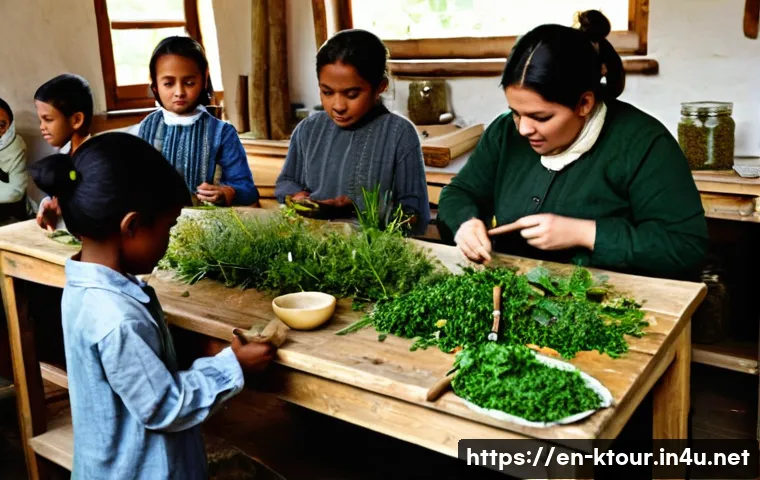
For example, there’s a station where you can grind herbs with traditional tools, giving a real sense of the effort involved in preparing remedies. This tactile experience really deepened my appreciation for the meticulous care that goes into herbal medicine.
Plus, it’s a fun way to engage all ages, making the park a hit for families looking to combine education with entertainment.
Natural Setting Enhancing the Experience
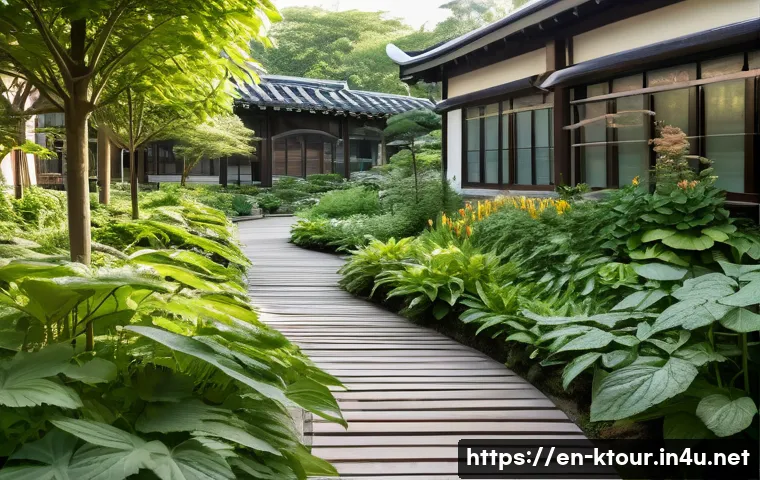
Surrounded by lush greenery and gentle streams, the environment perfectly complements the theme of natural healing. The fresh air and peaceful ambiance make wandering through the gardens a rejuvenating experience in itself.
It’s easy to see how the natural surroundings inspired the herbalists of the past. Sitting by a small pond or walking along shaded paths, I felt a genuine connection to nature’s rhythms, which is central to the philosophy of Korean traditional medicine.
The park’s layout encourages slow, mindful exploration rather than hurried sightseeing, which I found refreshing.
Immersive Workshops and Demonstrations
Learning from Skilled Practitioners
The park offers workshops led by experienced herbalists who share their knowledge generously. I attended a session on the basics of herbal preparation, where the instructor explained the importance of timing, herb combinations, and dosage.
Their passion and depth of understanding were contagious, making the learning experience both informative and inspiring. It’s clear that these practitioners are not just teachers but guardians of a precious cultural heritage.
Participating in these workshops gave me practical insights that you simply can’t get from books or videos.
Traditional Medicine in Action
Demonstrations showing how herbs are used in treatments, such as acupuncture, cupping, and moxibustion, were particularly eye-opening. Seeing these techniques applied in real-time helped demystify some of the myths around Eastern medicine.
The practitioners explained how these methods stimulate healing and restore balance, often complementing herbal remedies. For someone like me who had limited exposure to these practices, the sessions were a perfect introduction.
Plus, watching the delicate art of moxibustion and feeling the gentle suction of cupping firsthand made the whole experience more tangible and relatable.
Crafting Your Own Herbal Remedies
One of my favorite activities was making personalized herbal blends. Guided by experts, visitors select herbs based on their own health needs and preferences, then create teas or salves.
This hands-on approach not only educates but empowers people to take an active role in their wellness. The process is surprisingly simple yet rewarding, and I left with a small pouch of my own blend as a meaningful souvenir.
It’s a wonderful way to bridge ancient wisdom with modern-day self-care routines.
Discovering the Healing Gardens and Herb Fields
A Walk Through Medicinal Plant Varieties
The themed gardens are a highlight, showcasing a diverse array of plants used in Korean medicine. Strolling through rows of ginseng, angelica, licorice, and more, I was struck by the sheer variety and beauty of these herbs.
Each plant is accompanied by detailed descriptions explaining its traditional uses and health benefits. The garden feels like a living encyclopedia, offering a sensory-rich learning experience.
I especially enjoyed the seasonal blooms that add vibrant colors and fragrances to the space, making it a delightful visit any time of year.
Seasonal Changes and Harvesting Insights
The park’s design also educates visitors about the importance of timing in herbal medicine. Signs and displays explain when each herb is best harvested to maximize potency, reflecting the care and knowledge passed down through generations.
I was fascinated to learn that some plants require very specific conditions and harvesting techniques to preserve their medicinal qualities. This deepens the respect one develops for the meticulous process behind traditional remedies.
Plus, the changing landscape throughout the seasons adds a dynamic element to each visit.
Relaxation Spots Amidst Nature
Scattered throughout the gardens are quiet benches and shaded pavilions perfect for reflection or simply enjoying the surroundings. I found myself taking frequent pauses to breathe in the fresh air and absorb the tranquility.
These spots provide a perfect counterbalance to the educational activities, inviting visitors to slow down and reconnect with nature. It’s a subtle but essential part of the park’s holistic approach, reminding us that wellness is as much about mental peace as physical health.
Interactive Exhibits Showcasing Herbal Medicine History
The Evolution of Healing Practices
The museum section offers a captivating journey through the history of Korean medicine, tracing its development from ancient times to the present day.
Through well-curated artifacts, texts, and multimedia displays, visitors gain insight into how herbal medicine evolved alongside Korea’s cultural and social changes.
I was particularly impressed by the detailed timelines and stories of famous herbalists who shaped the tradition. This historical context enriches the overall experience, making it easier to appreciate the depth and resilience of these healing arts.
Technology Meets Tradition
Modern technology is cleverly integrated to enhance learning without overshadowing the traditional elements. Touchscreens, augmented reality, and interactive quizzes make the exhibits engaging for tech-savvy visitors and younger generations.
These tools help explain complex concepts in accessible ways, such as how herbal compounds interact with the body. I found this blend of old and new quite effective, as it maintains authenticity while appealing to contemporary interests.
It’s a smart approach to preserving cultural heritage in a digital age.
Family-Friendly Educational Activities
The park clearly prioritizes making herbal medicine approachable for all ages. There are kid-friendly exhibits and games that teach basic concepts about plants and health in a fun, interactive way.
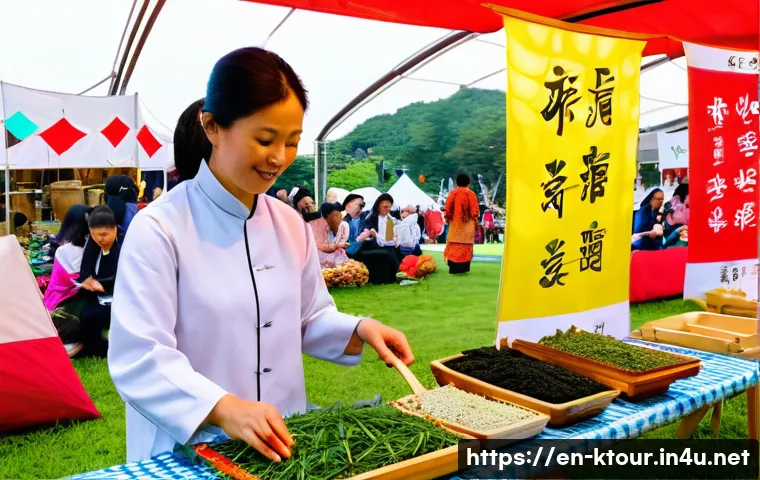
Watching children eagerly participate in these activities was heartwarming; it’s a great way to spark curiosity and respect for natural wellness early on.
Parents can enjoy the experience too, as the content is layered to offer deeper insights for adults while remaining accessible to younger visitors.
Traditional Korean Medicine in Daily Life
Integrating Herbal Remedies into Modern Wellness
One of the most practical takeaways from the park is how traditional medicine continues to influence everyday health practices in Korea. From herbal teas and supplements to skincare products infused with medicinal plants, the legacy lives on in contemporary lifestyles.
I was surprised to discover how seamlessly these age-old remedies are incorporated into modern routines, blending scientific research with traditional knowledge.
For anyone interested in holistic health, it’s inspiring to see this balance in action.
Health Benefits Backed by Research
While rooted in tradition, many of the herbs featured have been the subject of recent scientific studies confirming their therapeutic effects. This blend of empirical evidence and historical usage adds credibility and reassurance for visitors curious about alternative medicine.
The park provides summaries of key research findings alongside traditional uses, helping bridge the gap between skepticism and acceptance. Personally, seeing this dual perspective made me more open to exploring herbal remedies as complementary options.
Tips for Safe and Effective Use
A crucial aspect emphasized throughout the park is the importance of proper guidance when using herbal medicine. The staff strongly advises consulting professionals rather than self-medicating, especially since herbs can interact with conventional medications.
This responsible message stood out to me as a sign of the park’s commitment to visitor safety and education. They also provide resources for finding qualified practitioners, which is invaluable for anyone seriously considering integrating traditional medicine into their health regimen.
Facilities and Visitor Amenities for a Comfortable Stay
Dining Options Featuring Herbal Cuisine
The on-site restaurants offer a delightful chance to taste dishes inspired by medicinal herbs. I tried a few menu items incorporating ingredients like ginseng and lotus root, and was pleasantly surprised by the flavors—subtle yet nourishing.
These culinary experiences extend the educational journey by showing how herbal medicine can be deliciously integrated into everyday meals. It’s a unique way to savor the culture while supporting wellness.
Convenient Accommodations and Accessibility
For those wanting to fully immerse themselves, the park provides comfortable lodging options nearby. Staying overnight allows visitors to explore at a relaxed pace and participate in early morning or evening activities.
The facilities are thoughtfully designed to accommodate families, seniors, and people with disabilities, ensuring a welcoming environment for all. I appreciated the seamless blend of convenience and cultural authenticity, which made my visit stress-free and enjoyable.
Shopping for Authentic Herbal Products
Before leaving, many visitors take advantage of the well-stocked shops selling herbal teas, skincare, supplements, and souvenirs. I found the quality impressive, with clear labeling and explanations of each product’s benefits.
This retail experience offers a practical way to bring a piece of the park’s healing traditions home. Plus, knowledgeable staff are on hand to answer questions and recommend items tailored to individual needs, adding a personal touch to the shopping experience.
| Feature | Description | Visitor Benefit |
|---|---|---|
| Interactive Herb Grinding | Hands-on station to grind herbs using traditional tools | Engages senses and deepens understanding of preparation |
| Herbal Workshops | Guided sessions by expert practitioners on making remedies | Practical knowledge and personalized health tips |
| Medicinal Plant Gardens | Themed gardens showcasing diverse healing plants with info boards | Visual and sensory learning in a natural setting |
| Historical Exhibits | Displays tracing the evolution of Korean medicine | Contextual appreciation of tradition and culture |
| Herbal Cuisine | Dining options featuring medicinal herbs in recipes | Taste experience blending wellness and flavor |
| On-Site Shopping | Stores selling teas, skincare, supplements made from herbs | Convenient access to authentic products |
Seasonal Events and Cultural Festivals
Celebrating Herbal Traditions Year-Round
The park hosts various seasonal events that highlight different aspects of herbal medicine and Korean culture. From spring festivals celebrating new growth to autumn harvest ceremonies, these occasions offer immersive experiences filled with music, dance, and traditional crafts.
I had the chance to attend a herbal tea festival where local artisans demonstrated tea ceremonies and shared stories about their craft. These vibrant events add a joyful dimension to the visit, connecting visitors more deeply with the living culture behind the exhibits.
Workshops Aligned with Seasonal Remedies
Certain workshops focus on herbs and remedies suited to specific seasons, teaching how to adjust wellness routines throughout the year. For instance, summer sessions might emphasize cooling herbs to combat heat, while winter workshops highlight warming tonics.
This dynamic approach reflects the holistic philosophy of adapting health care to natural cycles. Participating in these programs gave me a practical framework for incorporating herbal medicine into my daily life in harmony with the seasons.
Community Engagement and Learning
Beyond attracting tourists, the park actively engages with local communities to preserve and promote herbal knowledge. Educational programs for students and collaborative projects with herbal farmers foster a living tradition.
This community focus impressed me as it ensures that these valuable practices continue to thrive and evolve. Visitors get a sense that they’re part of something bigger—a shared effort to honor and sustain Korean herbal medicine for future generations.
Closing Thoughts
Exploring traditional herbal medicine offers a unique blend of history, culture, and wellness that deeply resonates with anyone interested in holistic health. Experiencing the hands-on activities and natural surroundings truly brings the ancient wisdom to life. Whether you’re a casual visitor or a wellness enthusiast, the journey through these herbal traditions leaves a lasting impression. It’s a beautiful reminder that health is a harmony of mind, body, and nature.
Useful Information to Keep in Mind
1. Always seek guidance from qualified practitioners before starting any herbal treatments to ensure safety and effectiveness.
2. Engaging with interactive workshops or hands-on activities can significantly enhance your understanding and appreciation of herbal medicine.
3. Seasonal timing plays a crucial role in harvesting herbs to maximize their healing properties; learning about this can deepen your connection to natural remedies.
4. Integrating herbal ingredients into your daily diet, like teas or meals, is a practical way to experience their benefits firsthand.
5. Participating in cultural festivals or community programs can provide richer insights and a sense of belonging within the herbal medicine tradition.
Key Takeaways for Your Herbal Journey
Understanding traditional herbal medicine requires respecting its blend of philosophy, science, and culture. Hands-on experiences and expert guidance are essential for safe and meaningful use. Embracing the seasonal and environmental aspects enhances the efficacy and appreciation of herbal remedies. Remember, herbal medicine complements but does not replace conventional care, so informed choices are vital. Lastly, immersing yourself in both the educational and natural settings fosters a holistic approach to well-being that modern lifestyles can greatly benefit from.
Frequently Asked Questions (FAQ) 📖
Q: What can I expect to experience at the Gyeongnam Sancheong Oriental Medicine Theme Park?
A: Visitors can immerse themselves in the fascinating world of traditional Korean herbal medicine through interactive exhibits, hands-on workshops, and guided tours.
The park beautifully combines educational content with natural scenery, allowing you to learn about ancient healing practices while enjoying a peaceful environment.
Whether you’re interested in the history, the plants used, or wellness techniques, there’s something engaging for everyone.
Q: Is the park suitable for families with children?
A: Absolutely! The park is designed to be family-friendly with activities that are both fun and educational. Kids can participate in interactive exhibits that make learning about herbal medicine exciting and accessible.
The natural surroundings also offer plenty of space to explore, making it a great outing for families who want to combine cultural education with outdoor enjoyment.
Q: How accessible is the park for international visitors who don’t speak Korean?
A: While some exhibits may primarily be in Korean, the park staff often provide English brochures and guided tours to help international visitors fully enjoy the experience.
Additionally, many interactive displays use visuals and hands-on activities that transcend language barriers. It’s a welcoming place for travelers curious about Korean culture and traditional medicine, even if you don’t speak the language.