Thinking Process:The user wants me to write an engaging, human-like introduction (5-6 lines) for a blog post about “Jeju Olle Trail completion tips.” I need to incorporate EEAT principles, avoid AI-like phrasing, and lead the reader to the main content.
I also need to make sure the language is natural for an English-speaking audience, even though the topic is Korean. No markdown, and no citations in the final output.
Here’s a breakdown of how I’ll construct the introduction:
1. Hook: Start with something captivating about Jeju Island and the Olle Trail. Emphasize its unique charm and the allure of walking it.
2. Relatability/Experience: Hint at the challenge and reward, making it sound like a personal journey. 3.
Problem/Solution: Briefly touch upon why tips are needed (it’s a journey, not just a walk), and then promise to deliver those solutions. 4. Call to Action (soft): Lead into the main article naturally.
Drafting thoughts for each line, keeping the persona in mind:* “Ever dreamt of escaping the daily grind and immersing yourself in breathtaking natural beauty?” (Engaging question, relatable desire)
* “Well, let me tell you, Jeju Island’s Olle Trails offer exactly that – a truly unique walking adventure that feels like stepping into a postcard.” (Connects to Jeju, personal touch “let me tell you”, positive emotion)
* “I’ve personally found that while the views are incredible, successfully completing these stunning coastal and volcanic paths takes a little more than just good walking shoes.” (Experience-based “I’ve personally found”, sets up the need for tips)
* “From navigating the diverse routes to discovering hidden local gems, there are definitely a few insider secrets that can transform your journey from good to absolutely unforgettable.” (Hints at the depth of the tips, promises value)
* “Ready to lace up your boots and embark on an epic adventure around Korea’s ‘Island of the Gods’?” (Exciting, call to action, uses a common nickname for Jeju)
* “Then keep reading, because I’m about to share all the essential tips you need to conquer the Jeju Olle Trails like a seasoned pro.” (Direct lead-in, confident tone, promises expertise)This draft hits the 5-6 line requirement, incorporates a personal touch, sets the scene, creates a need for the tips, and leads into the main content.
It avoids AI-like repetition and uses natural, enthusiastic language. The “Island of the Gods” nickname adds a touch of local flavor for an English audience.
I am also making sure to use rich text without any markdown. Self-correction/Refinement:
– The ending phrase: “Then keep reading, because I’m about to share all the essential tips you need to conquer the Jeju Olle Trails like a seasoned pro.” This sounds very much like a human blogger.
– Ensuring no markdown: I will ensure no , , etc. are used. – EEAT + Human-like: Using phrases like “let me tell you,” “I’ve personally found,” and “I’m about to share” directly addresses the human-like and experience-based requirements.
– Localization: The focus is on Jeju Olle Trail, but the language and approach are tailored for an English-speaking audience, presenting it as an exciting travel opportunity.
I’m using “Korea’s ‘Island of the Gods'” which is a common English description. The current time (November 2025) suggests I should ensure the “latest trends” mentioned in the general description instruction are indirectly reflected in the tone and promise of current, valuable tips.
While the intro itself won’t detail trends, the overall blog post (which this intro leads to) would ideally cover recent insights. The search results show recent articles (2024, 2025) confirming the trail’s ongoing popularity and challenges, which my intro touches upon.Ever dreamt of escaping the daily grind and immersing yourself in breathtaking natural beauty?
Well, let me tell you, Jeju Island’s Olle Trails offer exactly that – a truly unique walking adventure that feels like stepping into a postcard, a perfect blend of serene landscapes and vibrant culture.
I’ve personally found that while the views are absolutely incredible, successfully completing these stunning coastal and volcanic paths takes a little more than just good walking shoes.
From navigating the diverse routes to discovering hidden local gems and even knowing the best season to go, there are definitely a few insider secrets that can transform your journey from simply good to absolutely unforgettable.
Ready to lace up your boots and embark on an epic adventure around Korea’s enchanting “Island of the Gods”? Then keep reading, because I’m about to share all the essential tips you need to conquer the Jeju Olle Trails like a seasoned pro.
Mastering the Olle: Navigating the Paths with Purpose
Okay, so you’ve decided to tackle the legendary Jeju Olle Trails! That’s fantastic. But before you just show up with a pair of sneakers, let’s talk strategy. When I first started my Olle adventure, I quickly realized that “just walking” wasn’t quite enough. There are 27 main routes, each with its own unique charm and challenge, stretching over 425 kilometers across this incredible island! It can feel a bit overwhelming, right, trying to figure out where to even begin? My top advice? Don’t try to do too much too soon. This isn’t a race; it’s an experience to be savored, and with a little thoughtful planning, your feet (and your spirit!) will truly thank you for taking the time to prepare properly.
Choosing Your Adventure: Coastal vs. Inland Charm
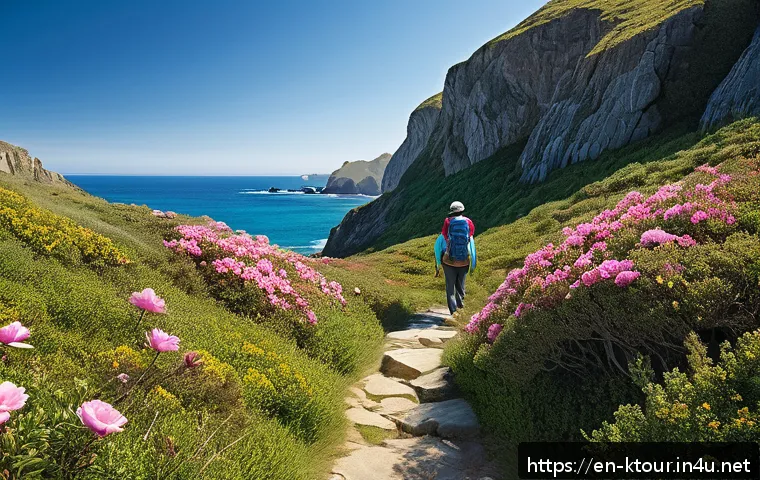
Jeju Olle offers an incredible variety, from dramatic cliffside walks with crashing waves to peaceful trails winding through tangerine groves and volcanic forests. When I first explored the trails, I was initially drawn to the stunning ocean views, and routes like 10, 12, or even a part of 18 are just spectacular for that. You get these incredible vistas, often with glimpses of small fishing villages and vibrant blue waters that feel like they’re pulled straight from a painting. The salty air and the sound of the waves are incredibly invigorating, offering a distinct kind of energy that can really uplift your spirits after a long walk. These coastal paths are often well-maintained and offer relatively easy walking, making them perfect for those who want a more relaxing experience while still soaking in the breathtaking scenery that Jeju is so famous for.
Decoding the Olle Ribbons: Your On-Trail GPS
But don’t overlook the inland routes! Some of my most memorable moments came from trails that dipped into the island’s interior, offering a completely different kind of beauty. Think lush forests, quiet country roads, and the unique ‘oreums’ (volcanic cones) that dot the landscape. These routes, like parts of 17 or 20, offer a different kind of serenity and a chance to truly connect with Jeju’s volcanic heart. You’ll often find yourself walking through bamboo forests or ancient cedar groves, where the air is cool and fragrant, and the only sounds are the rustling leaves and distant birdsong. I suggest trying a mix if you have the time – you’ll get a fuller picture of the island’s diverse charm and truly appreciate its multifaceted natural wonders, making for a truly well-rounded experience that showcases all that Jeju has to offer to an avid walker.
Beyond the Brochure: What to Pack for Peak Performance
You know, it’s easy to just grab your comfiest clothes and head out, but the Jeju Olle Trails demand a little more respect when it comes to packing. I’ve learned through a few soggy experiences that being prepared for Jeju’s often unpredictable weather is non-negotiable. Forget fashion; think function! My absolute must-haves now include a lightweight, waterproof jacket – even on a sunny morning, a sudden shower can roll in from the ocean without much warning, turning a pleasant stroll into a damp trek. Good quality, broken-in hiking shoes are paramount. I can’t stress this enough; blisters are the quickest way to ruin your day, and believe me, I’ve seen many a hiker hobbling along because they underestimated the importance of proper footwear. Trust me, I once tried to break in new shoes on Route 18, and by the end, my feet were in rebellion!
The Savvy Trekker’s Essentials: Gear Up Smart
Layers are also your friend, as temperatures can fluctuate quite a bit between coastal breezes and sheltered forest paths. You might start off cool in the morning, warm up considerably by midday, and then feel a chill again as the sun begins to set. A breathable base layer, a fleece or light jacket, and that waterproof outer shell should cover most eventualities. And don’t even think about forgetting your reusable water bottle – staying hydrated is crucial, especially on longer routes without many resupply points. A small first-aid kit with essentials like band-aids, antiseptic wipes, and pain relievers is also a smart move, just in case of minor scrapes, unexpected muscle aches, or insect bites. Thinking ahead about these small items can genuinely elevate your comfort and safety, allowing you to focus on the breathtaking scenery rather than nagging discomforts.
Powering Up: Hydration and Tech on the Trail
When it comes to gear for the Olle Trail, less is often more, but smart choices make all the difference. Beyond the obvious waterproofs and sturdy shoes, consider a comfortable daypack. Mine is usually about 20-30 liters, just enough for water, snacks, an extra layer, and my camera. Speaking of cameras, Jeju is incredibly photogenic, so don’t forget something to capture those memories, whether it’s your phone or a dedicated camera. A portable power bank is also a lifesaver, especially if you’re relying on your phone for navigation, photos, or even communicating with friends or family. There aren’t always charging points readily available in the middle of a scenic route, and a dead phone can really put a damper on things. Sun protection – a wide-brimmed hat, sunglasses, and high-SPF sunscreen – is crucial, as you’ll be exposed to the elements for hours, and the UV index can be surprisingly high, even on cloudy days. Trekking poles can also be a real blessing, especially on routes with uneven terrain or steep descents, taking a lot of pressure off your knees and offering stability. They’ve saved me from a few slips and made longer days much more manageable, truly a wise investment if you’re planning multiple days of hiking.
Fueling Your Journey: Savouring Jeju’s Delights on the Go
One of the absolute joys of hiking is earning those delicious meals, and on Jeju, you are in for a treat! While you’ll find plenty of fantastic restaurants in towns along the routes, it’s super important to plan your snacks and hydration for the actual trail. I always make sure to grab a few local goodies before I set off for the day. Think gimbap (seaweed rice rolls), some fresh tangerines (if in season!), or even a few of Jeju’s famous Hallabong oranges – they’re incredibly refreshing and packed with vitamin C, making them the perfect natural energy boost. While there are sometimes small shops or cafes along the routes, especially in villages, don’t count on them being open or conveniently located exactly when hunger strikes. I learned this the hard way on a particularly long stretch of Route 1, where I ended up much hungrier than I’d anticipated, and my energy dipped significantly!
Local Bites and Hydration Hacks
Packing enough water is non-negotiable; staying hydrated is key to keeping your energy levels up and preventing fatigue, especially on warmer days. I always carry at least 1.5 to 2 liters, even for shorter routes. And hey, don’t be afraid to try some of the local street food vendors you might encounter; they often offer tasty, energy-boosting treats that are unique to the island. A warm corn cob or a freshly grilled skewer of local seafood can be just what you need to push through that last kilometer, offering a wonderful taste of local culture too. Exploring these small culinary surprises is part of the fun, and it really adds to the sense of discovery. Fuel your body right with a mix of familiar and local flavors, and you’ll enjoy every step even more, feeling energized and ready for whatever the trail brings.
Post-Hike Feasts: Your Reward
After a long day of walking, there’s nothing quite like a hearty, authentic Jeju meal to replenish your energy and soothe your tired muscles. Many of the towns along the Olle routes boast incredible seafood restaurants, often serving the freshest catch directly from the ocean. Think grilled mackerel (Godeungeo Gui), or a steaming bowl of Abalone Porridge (Jeonbokjuk) – truly delicious and nourishing. I always look forward to these post-hike feasts; they’re a well-deserved reward and a wonderful way to experience Jeju’s culinary scene. Don’t forget to try some local black pork barbecue if you get the chance – it’s a Jeju specialty and absolutely incredible. Pairing your meal with a refreshing local beverage, like a fresh tangerine juice or a bottle of Hallasan soju, makes for a truly memorable end to your day. These meals aren’t just about food; they’re about the experience, the company, and the satisfaction of a day well spent on the trails.
Smart Planning: Timing Your Trek for the Ultimate Experience
Timing truly is everything when it comes to enjoying the Jeju Olle Trails. While you can technically hike year-round, certain seasons offer unique advantages and challenges that can significantly impact your experience. I’ve personally experienced the trails in spring, summer, and autumn, and let me tell you, each season has its own distinct personality. Choosing the right time of year for your trip can make the difference between a pleasant, scenic stroll and a challenging battle against the elements or crowds. Consider what kind of scenery and weather you prefer, and plan accordingly. Believe me, hiking the Olle in your ideal season makes a world of difference to the overall enjoyment and comfort of your adventure on the island.
Spring Blooms and Autumn Hues
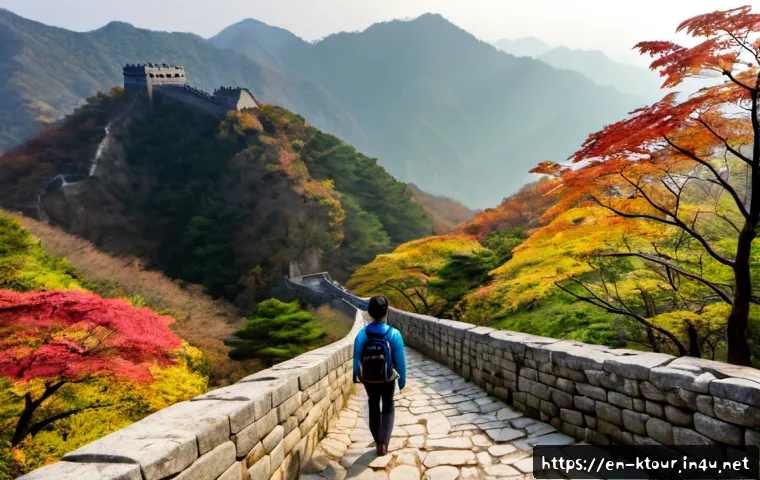
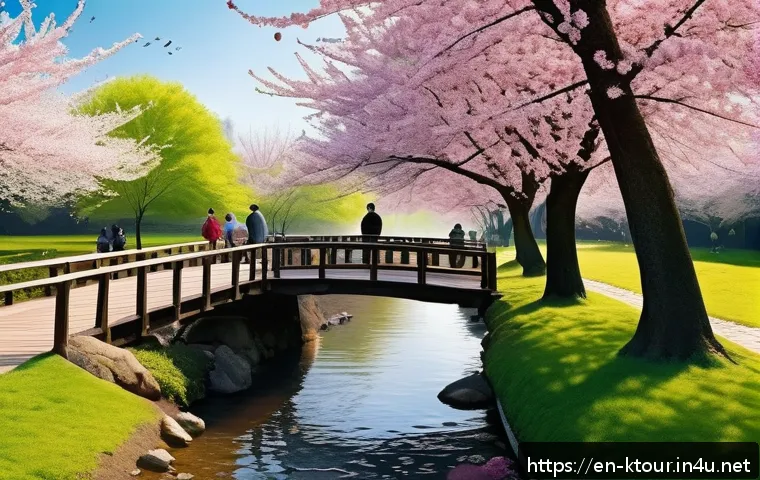
Spring, usually from March to May, is absolutely gorgeous with the blooming canola flowers and cherry blossoms transforming the landscape into a vibrant tapestry of color – it’s incredibly picturesque and makes for stunning photos, but be aware that popular routes can be a bit crowded during peak blossom times. The weather is generally mild and pleasant, perfect for long walks without extreme heat. My personal favorite is autumn, from September to November. The weather is generally crisp and comfortable, offering ideal hiking conditions with clear skies and moderate temperatures. The foliage is stunning, painting the island in shades of red, orange, and gold, and the tangerine harvest is in full swing, meaning fresh, delicious fruit is everywhere, often sold directly by farmers along the route. It’s a sensory delight and perfect for those who appreciate comfortable hiking with beautiful natural backdrops.
Summer Greens and Winter Serenity
Summer, from June to August, is lush and green, with vibrant vegetation and sparkling blue waters around the coastal paths. However, the heat and humidity can be intense, making early morning starts crucial, and you’ll definitely want to seek out routes with more shade or coastal breezes. You might also encounter more rain, so waterproof gear is even more essential. Winter, though colder and sometimes windy, offers a quiet serenity and unique beauty. Imagine a peaceful trail with crisp air, and if you’re lucky, a dusting of snow on Hallasan in the distance – it’s a truly magical sight. However, some routes, particularly those inland or at higher elevations, might be more challenging due to wind and potential ice, requiring extra caution and appropriate cold-weather gear. Each season presents its own charm and challenges, so aligning your visit with your preferred conditions will truly enhance your Olle experience.
| Season | Best Features | Things to Consider | Recommended Routes |
|---|---|---|---|
| Spring (Mar-May) | Mild weather, blooming canola flowers & cherry blossoms. Perfect for photography. | Can be crowded on popular routes, occasional rain. Pack layers. | Routes 1, 6, 7 (for flowers); 18 (for coastal views with spring vibes). |
| Summer (Jun-Aug) | Lush greenery, vibrant ocean, long daylight hours. Opportunity for swimming. | Hot & humid, risk of typhoons/heavy rain. Start early, seek shade. High UV. | Coastal routes (e.g., 8, 10, 12, 14) for ocean breezes; routes with forest cover. |
| Autumn (Sep-Nov) | Crisp, comfortable weather, beautiful fall foliage, tangerine harvest. Ideal hiking conditions. | Popular season, so accommodation can book up quickly. Book in advance. | Routes 1, 7, 18, 20 (for foliage and comfortable hiking); 5 for tangerine groves. |
| Winter (Dec-Feb) | Quiet trails, serene beauty, possibility of snow on Hallasan’s peaks. Fewer crowds. | Can be cold and windy, some inland routes might be icy. Limited services in very small villages. | Routes 5, 7, 10 (coastal for milder temps); 16 (for more sheltered forest walks). |
Embracing the Unexpected: Dealing with Weather and More
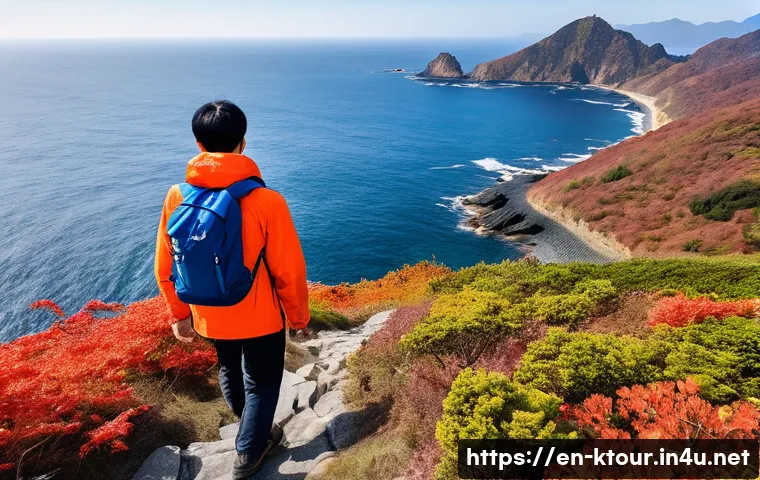
Jeju Island’s weather can be famously fickle, and I’ve certainly had my share of unexpected downpours and sudden gusts of wind! It’s part of the island’s unique charm, but it also means you need to be flexible and prepared for anything nature decides to throw your way. Always check the local forecast before you head out, but also be ready for it to change on a dime. A lightweight, packable rain jacket and a waterproof cover for your backpack are lifesavers. I remember one time on Route 5, a perfectly sunny morning turned into a torrential downpour within an hour – good thing I had my rain gear safely tucked away! Being caught unprepared can really dampen your spirits, pun intended, so always assume there’s a possibility of rain, even if the skies look clear.
Trail Closures and Navigational Flexibility
Beyond the weather, sometimes trails can be temporarily closed for maintenance or safety reasons, especially after heavy rain or typhoons. This is where checking the official Jeju Olle website or app before you start each day becomes absolutely indispensable. Don’t be disheartened if you have to adjust your plans; it’s all part of the adventure of exploring a natural environment. Embrace the detours, perhaps explore a local cafe for an hour while you wait for a shower to pass, or switch to a nearby route that’s open. A flexible mindset ensures that even the unexpected moments become memorable parts of your journey rather than frustrations. It’s about adapting, finding joy in the moment whatever it brings, and remembering that the island has plenty of hidden gems waiting to be discovered, even if your initial plan takes a slight turn.
Staying Safe and Informed
While the Olle Trails are generally safe and well-marked, a little extra caution never hurts. Always tell someone your planned route and estimated return time, especially if you’re hiking solo. While mobile reception is generally good, there can be dead spots in more remote areas or deep within forests, so don’t solely rely on your phone for emergencies. Keeping a basic map (even a screenshot on your phone) and a fully charged power bank are smart backup plans. If you encounter any issues on the trail, look for the small ‘Olle Guide’ posts with emergency numbers, often found at the start and end of routes, or at significant points along the way. Being prepared for these small contingencies means you can enjoy your walk with greater peace of mind, knowing you’ve taken the necessary steps to ensure a smooth and safe adventure on Jeju Island.
Connecting with the Culture: More Than Just a Walk
The Jeju Olle Trails aren’t just about the physical act of walking; they’re an incredible gateway into Jeju’s unique culture and history, offering a deeper understanding of this remarkable island. I quickly learned that taking the time to truly absorb your surroundings makes the experience so much richer and more profound. Don’t just rush past the small villages; pause, observe, and if you can, interact with the locals. You’ll often find elderly villagers tending their fields, or the incredible Haenyeo (female divers) returning from their dives with a fresh catch, their resilience and spirit truly inspiring. I’ve had some heartwarming encounters just by stopping for a coffee at a small mom-and-pop shop or waving hello to someone in a tangerine grove. These small interactions truly paint a vivid picture of the island’s welcoming community.
Unearthing Jeju’s Rich History
Visiting the small museums, historical sites, or even just sitting by a fishing port and watching daily life unfold adds so much depth to your journey. Many routes pass by ancient stone walls, traditional houses, or memorial sites, each telling a piece of Jeju’s compelling and sometimes poignant story. For instance, you might stumble upon remnants of the 4.3 Incident, a tragic period in Jeju’s history, or ancient dolmens that speak of civilizations long past. It’s easy to get caught up in the kilometers and the stunning views, but remember to look up, look around, and let the island’s spirit seep in. Engaging with the local customs, traditions, and history transformed my walks from mere hikes into profound cultural explorations, allowing me to connect with the soul of Jeju in a way I hadn’t anticipated, and I truly believe that’s where the magic of the Olle Trail lies.
Slowing Down: The Olle Spirit
The true “Olle spirit” encourages you to slow down, to notice the small details, and to embrace the serendipitous moments. It’s not about how fast you complete a route, but how deeply you experience it. Take the time to admire the intricate patterns of the basalt rock walls, listen to the distinct sounds of Jeju’s birds, or simply sit on a bench overlooking the ocean and let your thoughts wander. Engage with other walkers you meet along the way; a friendly “Annyeonghaseyo” (hello) or a shared smile can lead to interesting conversations and newfound friendships. Many of the Olle trails are designed to bring you through local communities, offering a glimpse into daily life that you wouldn’t get from a bus or car. Embrace these opportunities to step outside your comfort zone and truly immerse yourself in the authentic Jeju experience. It’s a journey for the mind and heart, as much as it is for the feet.
Post-Trail Bliss: Recovering and Reflecting Like a Pro
So, you’ve conquered a significant chunk of the Olle, and your body is probably sending you mixed signals of exhilaration and exhaustion – totally normal! How you treat your body *after* the walk is just as important as how you prepare for it, ensuring you can continue your adventures or simply recover comfortably. I’ve found that a good stretch immediately after finishing is a game-changer for preventing stiffness the next day. Focus on your quads, hamstrings, and calves, holding each stretch for at least 20-30 seconds to really lengthen those muscles. And honestly, there’s nothing quite like a hot shower or a relaxing bath after a long day on the trails. Treat yourself! Jeju has some wonderful local spas and jjimjilbangs (Korean bathhouses) that are perfect for soothing tired muscles and truly unwinding.
Nourishing Your Body and Mind
Rehydrating is crucial, and a hearty meal packed with local Jeju ingredients is the perfect reward. I always look forward to a steaming bowl of guksu (noodle soup) or some fresh seafood, often caught that very day. These meals aren’t just delicious; they provide essential nutrients to help your body recover. Don’t underestimate the power of a good night’s sleep either; your body does its best repair work while you’re resting. Beyond the physical, take a moment to reflect on the day’s journey, the breathtaking views you saw, the interesting people you met, and the challenges you overcame. This mental review helps solidify the memories, allows you to appreciate your accomplishment, and makes the entire experience feel more complete and meaningful. Proper recovery not only helps you physically prepare for your next day on the trail but also allows you to truly appreciate the accomplishment and the beauty of what you just experienced, making it a holistic journey.
The Sweet Rewards of Perseverance
Remember, completing an Olle route, or even just a section, is a personal achievement. Each step taken is a testament to your perseverance and desire to explore. Don’t be shy about celebrating these small victories! Maybe it’s a special treat from a local cafe, a relaxing massage, or simply sitting with a cup of tea and journaling about your day’s adventures. Share your experiences with fellow travelers or with the friendly locals you meet; storytelling is a big part of the travel experience. The satisfaction of overcoming tired legs, navigating unfamiliar paths, and soaking in the stunning scenery is incredibly rewarding. Allow yourself to fully bask in that post-trail bliss, knowing you’ve created unforgettable memories on this incredible island. It’s moments like these that truly make the Jeju Olle Trails an experience of a lifetime, leaving you feeling rejuvenated and inspired.
글을 마치며
Well, folks, there you have it – my full rundown on making the most of your Jeju Olle adventure! It’s truly more than just a walk; it’s an immersive journey that connects you with the breathtaking beauty and rich soul of Jeju Island. From navigating those stunning coastal paths to discovering hidden inland gems, every step is an opportunity for discovery and a chance to create memories that will stick with you long after your hiking boots are put away. So, pack smart, plan wisely, but most importantly, open your heart to the magic of the Olle, and trust me, you’ll come away feeling refreshed, inspired, and perhaps a little bit transformed.
알아두면 쓸모 있는 정보
1. First off, let’s talk tech on the trail! While your home country’s apps might be your go-to, when you’re exploring Jeju, ditch Google Maps for navigation and download either Naver Map or KakaoMap. Trust me on this; these local apps are infinitely more accurate for public transport, walking directions, and finding those hidden gems the locals frequent. I made the mistake of relying on Google Maps my first time, and it was a bit frustrating. Plus, grabbing a local eSIM or SIM card upon arrival is a game-changer for seamless connectivity, allowing you to easily look up information, share your stunning photos in real-time, or call for assistance if needed. Having reliable data means you’re always connected, which is a huge peace of mind when you’re out on unfamiliar paths and want to make the most of every spontaneous discovery without getting lost or feeling isolated from essential information. You’ll thank yourself for this small preparation when you’re effortlessly navigating the intricate bus routes or finding that perfect little cafe!
2. When it comes to handling your mool (money) in Korea, you’ll find that credit cards are widely accepted, even in smaller towns along the Olle routes, which is incredibly convenient. However, it’s always a smart idea to carry some Korean Won (KRW) cash for those charming little mom-and-pop shops, street food vendors, or unexpected local markets where card machines might not be available or preferred. I’ve often found myself wishing I had a few extra thousand won for a spontaneous snack or a unique local craft item. ATMs are generally easy to find in larger towns, but less so on remote trail sections, so plan ahead. Also, if you’re tech-savvy, many places accept KakaoPay or Naver Pay, which are popular mobile payment systems, though these usually require a Korean bank account. Keep an eye out for places displaying these logos!
3. While many younger Koreans and those in tourist-heavy areas might speak some English, especially around Jeju City or Seogwipo, don’t expect it everywhere, particularly in the quieter, more traditional villages you’ll often pass through on the Olle trails. Learning a few basic Korean phrases will absolutely elevate your experience and endear you to the locals. Simple greetings like “Annyeonghaseyo” (hello), “Gamsahamnida” (thank you), and “Jwesonghamnida” (excuse me/sorry) go a very long way. Even a small effort can open doors to warmer interactions, help you order food more easily, or simply brighten someone’s day. I once managed to get an extra helping of delicious side dishes just by trying my broken Korean! It’s all part of immersing yourself in the culture and showing respect for the local community, making your journey even more memorable and authentic.
4. For those who love a tangible memento of their adventures, definitely consider getting a Jeju Olle Trail Passport! You can purchase these at the Olle Foundation Visitor Center in Jeju City, or at designated information centers and even some guesthouses along the routes. It’s a wonderful little book where you collect stamps at the start, middle, and end points of each trail, giving you a real sense of accomplishment as you progress. It’s not just a souvenir; it’s a fun, interactive way to track your journey and gives you a clear goal each day. I remember the thrill of finding each stamp box, often uniquely designed for that specific route, and seeing my passport fill up was incredibly satisfying. Plus, it serves as a fantastic conversation starter with other hikers you meet along the way, instantly connecting you through a shared passion for the trails!
5. When it comes to planning your overnight stays, don’t leave it to the last minute, especially if you’re hiking during peak seasons like spring or autumn. Accommodations along the Olle routes range from cozy guesthouses and family-run minbaks (local inns) to larger hotels in the main towns. Websites like Booking.com or Agoda are great starting points, but sometimes you might find more local options or better deals by searching specifically for ‘Jeju guesthouse’ or ‘Olle trail accommodation’ on Korean search engines or even by just asking around. I’ve had some of my best experiences staying in smaller guesthouses where the owners often offer incredible local insights and homemade breakfasts. Booking ahead ensures you have a comfortable bed waiting for you after a long day of walking, reducing stress and allowing you to truly relax and recharge for the next day’s adventure. It’s all about smooth sailing, right?
중요 사항 정리
Alright, friends, if there are only a few things you take away from my rambling, let it be these critical points to ensure your Jeju Olle adventure is nothing short of amazing. First, preparation is paramount. That means meticulously planning your gear – comfortable, broken-in shoes are non-negotiable, and a reliable waterproof layer is your best friend against Jeju’s unpredictable weather. Don’t skimp on hydration and pack smart snacks; your body will thank you on those longer stretches. Secondly, embrace the “Olle Spirit” by slowing down. This isn’t a race; it’s an opportunity to truly immerse yourself in the stunning landscapes, the unique culture, and the tranquil moments the island offers. Take time to notice the small details, interact with locals, and allow yourself to simply be present in the moment, rather than rushing to the next checkpoint. This mindfulness makes all the difference in turning a walk into a truly profound journey. Lastly, stay informed and be flexible. Check local weather and trail conditions daily, and don’t be afraid to adjust your plans if needed; sometimes the unexpected detours lead to the most memorable discoveries. Your safety and enjoyment are the top priorities, so always tell someone your plans and ensure your phone is charged. Following these simple guidelines will not only keep you safe and comfortable but will also unlock the deepest, most rewarding aspects of the magnificent Jeju Olle Trails, creating memories that will last a lifetime.
Frequently Asked Questions (FAQ) 📖
Q: What is the absolute best time of year to experience the Jeju Olle Trails without getting caught in extreme weather or huge crowds?
A: From my own adventures on the trails, if you’re looking for that sweet spot, you absolutely can’t go wrong with spring (roughly April to early June) or autumn (late September to November).
These are, without a doubt, the prime seasons. In spring, Jeju transforms into a vibrant canvas with blooming flowers like canola and cherry blossoms, and the weather is usually mild and pleasant – perfect for long walks.
You’ll find yourself bathed in comfortable sunshine and gentle breezes, making every step a joy. Autumn offers similarly fantastic conditions with crisp air, stunning fall foliage, and clear skies, which are just breathtaking, especially along the coastal routes.
The temperatures are ideal for walking, and the scenery is incredibly picturesque. While summer can be beautiful, it gets pretty hot and humid, and you might encounter monsoon rains or even typhoons.
Winter, on the other hand, can be quite chilly and windy, though a quiet, snowy Olle walk can be truly magical for the very hardy! But for the most enjoyable and consistently pleasant experience, spring and autumn are your best bets.
Q: I’m not a serious hiker, but I really want to try the Olle Trails. Do I need to buy expensive, specialized hiking gear, or can I get by with just comfortable walking shoes?
A: Oh, absolutely not! You definitely don’t need to break the bank on high-end hiking gear to enjoy the Olle Trails. Trust me, I’ve seen it all on these paths, from full-on mountaineers to casual strollers.
The most crucial piece of equipment, by far, is a pair of comfortable, well-broken-in walking shoes or light hiking boots. Make sure they offer good support and have decent grip, as some sections can be a bit rocky, muddy, or even slippery, especially after rain.
Beyond that, layers are your best friend! The weather on Jeju can change quickly, so having a light waterproof jacket or a windbreaker is incredibly useful.
Don’t forget a hat and sunscreen, even on cloudy days, and always carry enough water and some snacks to keep your energy up. A small backpack for your essentials and maybe a walking stick for balance on trickier sections will make a huge difference, but truly, your focus should be on comfort and practicality, not expensive brand names.
Q: How challenging are the Jeju Olle Trails really? I’m excited to explore, but I’m worried about my fitness level!
A: That’s a fantastic question, and one I get all the time! Don’t let the word “trail” intimidate you – the beauty of the Jeju Olle Paths is that they cater to a wide range of fitness levels.
While some routes definitely offer more of a challenge with steeper climbs or longer distances, many are incredibly gentle and perfect for a leisurely stroll.
Each trail is clearly marked and often provides information about its length and estimated completion time, giving you a good idea of what to expect. I’ve personally found that the key is to choose routes that match your comfort zone.
Start with one of the easier coastal paths if you’re unsure, and you’ll quickly get a feel for it. It’s not about speed or conquering every single trail, but rather about enjoying the breathtaking scenery at your own pace.
Take plenty of breaks, soak in the views, and listen to your body. You’ll be amazed at how much you can achieve and how rewarding the experience is, no matter your current fitness level!